
Antminer L3+ Firmware Comparison: Vnish, HiveOS & Stock
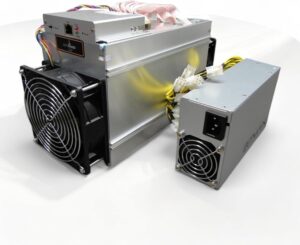

Vnish Firmware
- Overclocking & Voltage Control: Boosts hash rate (up to 500 MH/s) and enables downvolting for efficiency.
- Security: Built-in virus removal, SSH port disabling, and protection against Bitmain’s overwrite protection.
- Anthill Integration: Free monitoring and management for large-scale farms.
- Custom Profiles: Pre-configured tuning and automatic algorithm switching based on profitability.
- Hotel Mining Support: Affiliate program for shared mining setups.
Pros: Highest customization, advanced security, no recurring fees (1.8% dev fee or one-time purchase).
Cons: Installation is complex (SD card flashing, virus checks), less friendly for beginners.
Best For: Advanced users who want maximum hash rates and energy efficiency.
Learn more about Vnish firmware.
HiveOS Firmware
- Auto-Tuning Profiles: Pre-optimized for stability and efficiency.
- Centralized Management: Monitor and update multiple ASICs via a web dashboard.
- Compatibility: Integrates with other HiveOS tools for GPU/ASIC hybrid farms.
- Dev Fee: ~2.8% for ongoing support and updates.
Pros: User-friendly, ideal for mixed rigs and large farms, regular updates, strong community support.
Cons: Higher dev fee than Vnish, less granular control for overclocking.
Best For: Miners who want simplicity and scalability for multiple devices.
See details at HiveOS official website.
Stock Bitmain Firmware
- Basic Functionality: Stable but unoptimized; no overclocking.
- Security Risks: Vulnerable to malware if defaults aren’t changed.
- Limited Updates: Last update in 2019; overwrite protection complicates third-party firmware installation.
Pros: Pre-installed, easy to use, no extra costs.
Cons: Lower hash rates (~384–450 MH/s), higher power usage, no advanced tuning or monitoring.
Best For: Beginners or those testing hardware before upgrading firmware.
Official info: Bitmain Shop.
Head-to-Head Comparison
| Feature | Vnish | HiveOS | Stock Firmware |
|---|---|---|---|
| Hash Rate | Up to 500 MH/s | ~450 MH/s | ~384–450 MH/s |
| Power Efficiency | Optimized (downvolting) | Moderate optimization | No optimization |
| Installation | Complex (SD card, virus check) | Simple (web interface) | Pre-installed |
| Cost | 1.8% dev fee or one-time | 2.8% dev fee | Free |
| Security | Anti-virus, SSH controls | Standard | Vulnerable if unconfigured |
| Monitoring | Anthill integration | HiveOS dashboard | None |
Which Firmware Should You Choose?
- Maximize Profitability: Vnish offers the best ROI for technical users with its tuning and hotel mining features.
- Ease of Use: HiveOS is ideal for those who want simple, centralized management, especially in larger farms.
- Low Effort: Stock firmware is fine for beginners but falls short in performance and efficiency.
Final Thoughts
Vnish unlocks the full potential of your Antminer L3+, but requires technical know-how. HiveOS is a balanced choice for mid-sized farms, and Stock firmware is best left for testing or absolute beginners. Always back up your original firmware and check compatibility before making changes.
Need Help? Check out Vnish’s SD card guides or HiveOS’s tutorials for step-by-step installation instructions.
Related Internal Resources